

CarbonWorks develops photosynthetic solutions for markets where photosynthetic microorganisms offer a clear competitive advantage. By focusing on agriculture, nutraceuticals, cosmetics, and human, animal, and plant health, we target applications where biological performance, production economics, and market demand are aligned to support sustainable, scalable, and commercially viable innovation.
Feeding humanity while taking care of the planet is a major challenge for the next decade
Market challenges
Agriculture must undergo an agroecological transition to ensure sustainable and resilient production in a context of climate change and increasingly frequent extreme events as well as changing regulations recognizing the harmful impact of many synthetic compounds on biodiversity, health and greenhouse gas emissions. This shift toward new farming practices requires reducing chemical inputs and changing how crop protection is carried out. In this context, the immense diversity of microalgae and the metabolites they synthesize represents a promising source of innovative solutions for plant biocontrol and biostimulation, but to have a significant impact these solutions must be available at scale. CarbonWorks brings its microalgae expertise to the development of these new solutions, as well as the ability to produce them at the scale required by agriculture.

A need for ethical, renewable resources
Market challenges
Changing lifestyles, ageing populations, chronic diseases, inflammatory conditions, and disorders affecting immune, gut, or visual health are all areas where nutraceuticals and functional foods can provide answers. They help improve our health and overall well‑being.
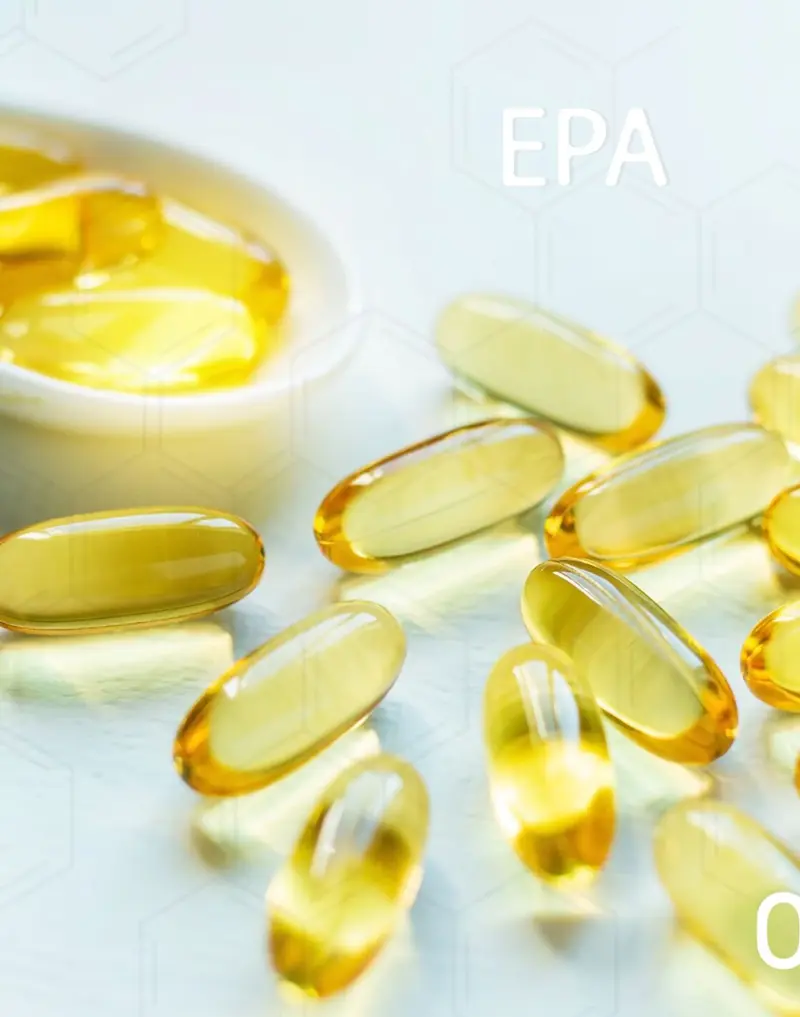
However, developing these products is not without impact on ecosystems. As an example, Omega‑3s, whose health benefits are widely recognized are mainly sourced from industrial fishing and from krill* harvesting. Such practices disturb or deplete marine ecosystems and can also introduce contaminants, in particular heavy metals derived from human activities.
Microalgae are rich in many metabolites beneficial to human health: they are a source of pigments with powerful antioxidant properties, the primary producers of omega‑3s (EPA and DHA**) in the ocean food chain, and a source of proteins and essential amino acids, vitamins, and minerals. As another example, Haematococcus pluvialis stands out for its ability to produce astaxanthin, a very high value carotenoid known for its strong antioxidant power and is the predominant natural source of this ingredient. Producing it via microalgae cultivation offers a more sustainable, traceable, and secure alternative to synthetic sources.
CarbonWorks technologies allow industrial-scale, standardized production of these microalgal biomasses and products in response to the need for authentic, renewable raw materials at a lower cost per unit than conventional production systems.
* : Krill are a family of small crustaceans that feed on phytoplankton (microalgae!). They are found throughout the oceans. Rich in omega-3 and carotenoid pigments, krill oil has undeniable health benefits. Its fishing is decried, notably because whales feed on it, and their survival depends on it. But above all, krill is near the bottom of the food chain, just before microalgae.
** : EPA: EicosaPentaenoic Acid; DHA: DocosaHexaenoic Acid

Ethical and sustainable products
Market challenges
The cosmetics market must adapt to growing consumer demand for responsible, ethical products whose formulas avoid ingredients that are harmful to health and the environment. Brands are responding by replacing certain raw materials, developing more eco‑friendly extraction processes, and adopting innovative ways of producing active ingredients largely through biological production.
Microalgae are a highly promising source of sustainable cosmetic ingredients, with many possible applications: natural colorants and pigments, such as phycocyanin, beta‑carotene, and astaxanthin; active ingredients with anti‑ageing, antioxidant, hydrating, or soothing effects; and compounds that help reinforce the skin barrier or protect against UV. This molecular richness makes them a powerful driver of innovation for designing formulas that are more natural, more functional, and higher value added.
The smaller CarbonWorks photobioreactors are ideally suited to production for the cosmetics industry, allowing consistent production of high-performance biomass from which actives can be extracted all within a small footprint.

Limiting the environmental impact of human and animal health
The pharmaceutical industry plays a vital role in our societies by producing medicines that save lives and safeguard the health of millions of people. The industry arose from chemical synthesis but is now turning more and more towards biological molecules and synthesis.
The growing mastery of heterologous production in microalgae is opening up a sustainable route for manufacturing high‑value molecules and producing recombinant proteins as an alternative to mammalian cell culture, or bacterial and yeast platforms, where the unique metabolism of microalgae and the ability to compartmentalize production within the cell offer particular advantages.
Microalgae are also a potential source of active substances and ingredients to be used by the pharmaceutical industry, and a solution to securing the supply of sustainable raw materials with lower environmental impact.
The CarbonWorks photobioreactor is designed with the needs of the pharmaceutical industry in mind, with the capacity to operate under appropriately clean conditions and to grow GMO strains in containment.